Sale Price:
£2.50
Original Price:
£3.30
Individually pretty packets of seeds from Piccolo. Each packet contains all the information you need to plant and grow the wonderful flowers they hold. These make a lovely little add-on if you’re buying a plant pot or flower bowl, but of course, can be sewn wherever you like.
Piccolo was founded in 2012 with the aim of selecting and providing seeds for home and urban farmers. They offer a select range of vegetables, herbs, fruits and edible flowers suitable for container gardens, including compact and dwarf varieties that fit like a glove into the small spaces of a terrace.
English Daisy: Daisies are the quintessential spring flower, and their sweet simplicity and genuine beauty easily symbolise new beginnings, upliftment of the spirit and happiness. They are also a symbol of true love. By the Elizabethan era, several double-flowering varieties of the English daisy had been introduced into gardens, and Pomponette Mix is one of those cultivated varieties, featuring large, double red, pink and white cute little button-like flowers that will colonise your lawns.
Forget-Me-Not: Sometimes the importance of a flower is contained in its name, and forget-me-nots are one of them. The name comes from a German legend about a knife and his beloved, and possibly because of this, it became a symbol of love and remembrance, a promise that you will always keep a person in your thoughts. Historically, the flower has signified protection and luck for kings and secret organisations, and nowadays it is the symbolic flower of a few regions. Blue Bell Forget-me-not is an improved, compact variety of this popular flower, with grey-green leaves and small blue flowers. Very easy to maintain, they are a great choice for borders, meadows and containers.
Cosmos: also known as Mexican aster, is a lovely flower that originated in the Mexican scrub and meadowland before being introduced to American gardens as an ornamental plant. The beauty of these flowers mesmerised the Spanish priests, who named them Cosmos, the Greek word for order and harmony in the universe, making the flower a symbol of nature’s serenity and calm. In fact, the well-ordered, fragrant petals of this flower, which give it a serene and calm appearance, are the reason for its popularity. The Psyche Mix variety is well-known for its stunning array of colours and large blooms of crimson, lavender-pink and white flowers.
Nasturtium Blue: is a unique European variety bred specifically for culinary use. The name is derived from its wonderful steel-blue leaves with purplish undersides. The flowers themselves are also edible, and their bright-red hue makes an attractive addition to salads, as well as being perfect for garnishing stir fries. The leaves have a slightly peppery taste, reminiscent of watercress. The flavour becomes spicier when the flowers are grown in sunnier, hotter weather. The flowers are less intensely flavoured than the leaves but they add a dramatic, colourful zing to any recipe. Nasturtiums were first cultivated in Perù and were introduced to Europe by the Spanish conquistadores in the 16th century.
Poppy: one of the world’s most recognisable flowers, and their common presence in crop fields has inspired a number of paintings and representations in which the bright red dominates the scene. Instead, the Falling in Love variety, which is a breed selection for ornamental purposes, has scarlet-orange, rose, pink and peach-coloured semi-double, double or picotee bicoloured blooms. Nonetheless, they share the scarlet poppy’s association with sleep, hypnosis and death, dating back to the Greeks, who associated this flower with Morpheus, the god of sleep and dreams. Later, in the 19th century, it became a favourite of the pre-Raphaelite aesthetic.
Individually pretty packets of seeds from Piccolo. Each packet contains all the information you need to plant and grow the wonderful flowers they hold. These make a lovely little add-on if you’re buying a plant pot or flower bowl, but of course, can be sewn wherever you like.
Piccolo was founded in 2012 with the aim of selecting and providing seeds for home and urban farmers. They offer a select range of vegetables, herbs, fruits and edible flowers suitable for container gardens, including compact and dwarf varieties that fit like a glove into the small spaces of a terrace.
English Daisy: Daisies are the quintessential spring flower, and their sweet simplicity and genuine beauty easily symbolise new beginnings, upliftment of the spirit and happiness. They are also a symbol of true love. By the Elizabethan era, several double-flowering varieties of the English daisy had been introduced into gardens, and Pomponette Mix is one of those cultivated varieties, featuring large, double red, pink and white cute little button-like flowers that will colonise your lawns.
Forget-Me-Not: Sometimes the importance of a flower is contained in its name, and forget-me-nots are one of them. The name comes from a German legend about a knife and his beloved, and possibly because of this, it became a symbol of love and remembrance, a promise that you will always keep a person in your thoughts. Historically, the flower has signified protection and luck for kings and secret organisations, and nowadays it is the symbolic flower of a few regions. Blue Bell Forget-me-not is an improved, compact variety of this popular flower, with grey-green leaves and small blue flowers. Very easy to maintain, they are a great choice for borders, meadows and containers.
Cosmos: also known as Mexican aster, is a lovely flower that originated in the Mexican scrub and meadowland before being introduced to American gardens as an ornamental plant. The beauty of these flowers mesmerised the Spanish priests, who named them Cosmos, the Greek word for order and harmony in the universe, making the flower a symbol of nature’s serenity and calm. In fact, the well-ordered, fragrant petals of this flower, which give it a serene and calm appearance, are the reason for its popularity. The Psyche Mix variety is well-known for its stunning array of colours and large blooms of crimson, lavender-pink and white flowers.
Nasturtium Blue: is a unique European variety bred specifically for culinary use. The name is derived from its wonderful steel-blue leaves with purplish undersides. The flowers themselves are also edible, and their bright-red hue makes an attractive addition to salads, as well as being perfect for garnishing stir fries. The leaves have a slightly peppery taste, reminiscent of watercress. The flavour becomes spicier when the flowers are grown in sunnier, hotter weather. The flowers are less intensely flavoured than the leaves but they add a dramatic, colourful zing to any recipe. Nasturtiums were first cultivated in Perù and were introduced to Europe by the Spanish conquistadores in the 16th century.
Poppy: one of the world’s most recognisable flowers, and their common presence in crop fields has inspired a number of paintings and representations in which the bright red dominates the scene. Instead, the Falling in Love variety, which is a breed selection for ornamental purposes, has scarlet-orange, rose, pink and peach-coloured semi-double, double or picotee bicoloured blooms. Nonetheless, they share the scarlet poppy’s association with sleep, hypnosis and death, dating back to the Greeks, who associated this flower with Morpheus, the god of sleep and dreams. Later, in the 19th century, it became a favourite of the pre-Raphaelite aesthetic.


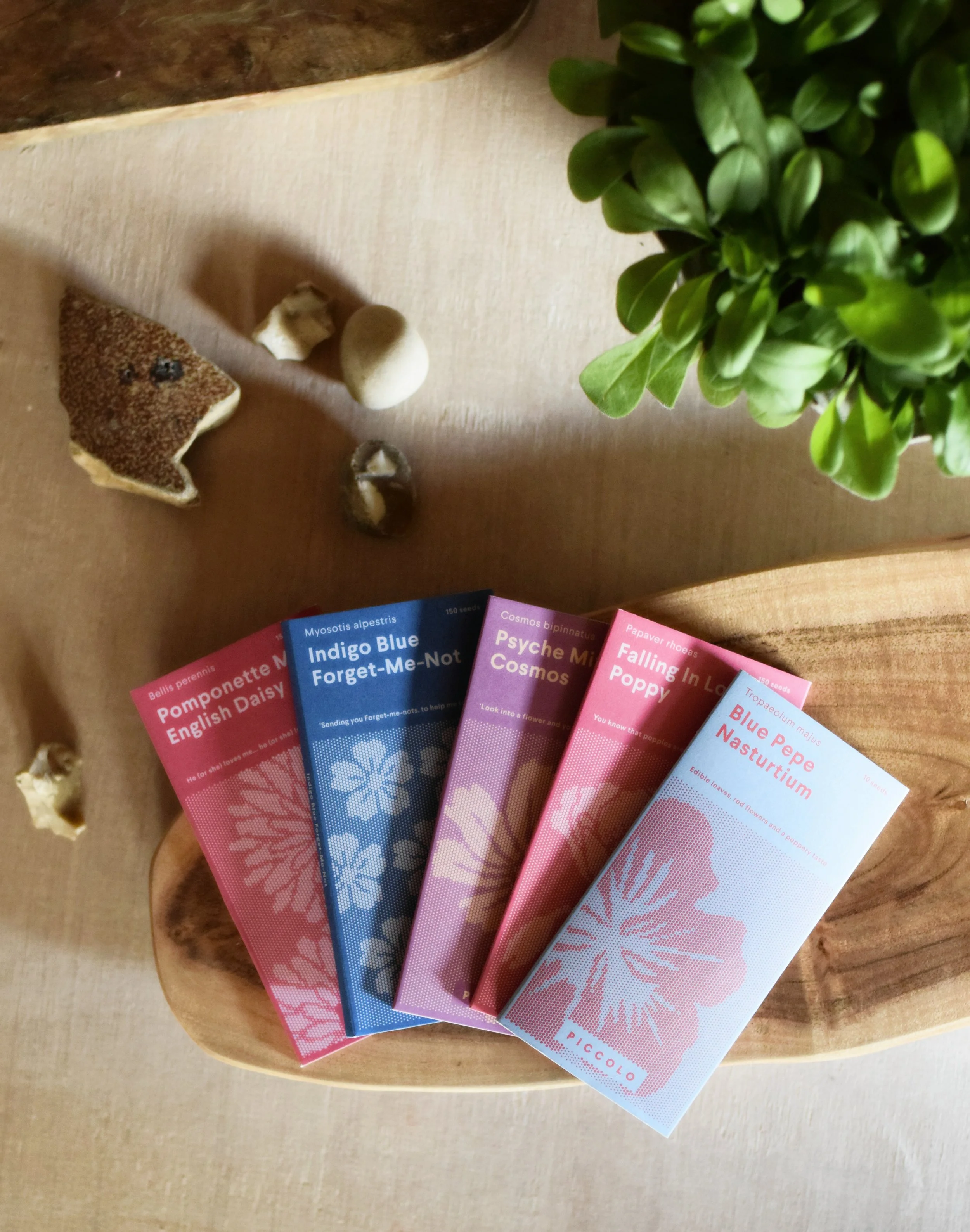 Image 1 of 15
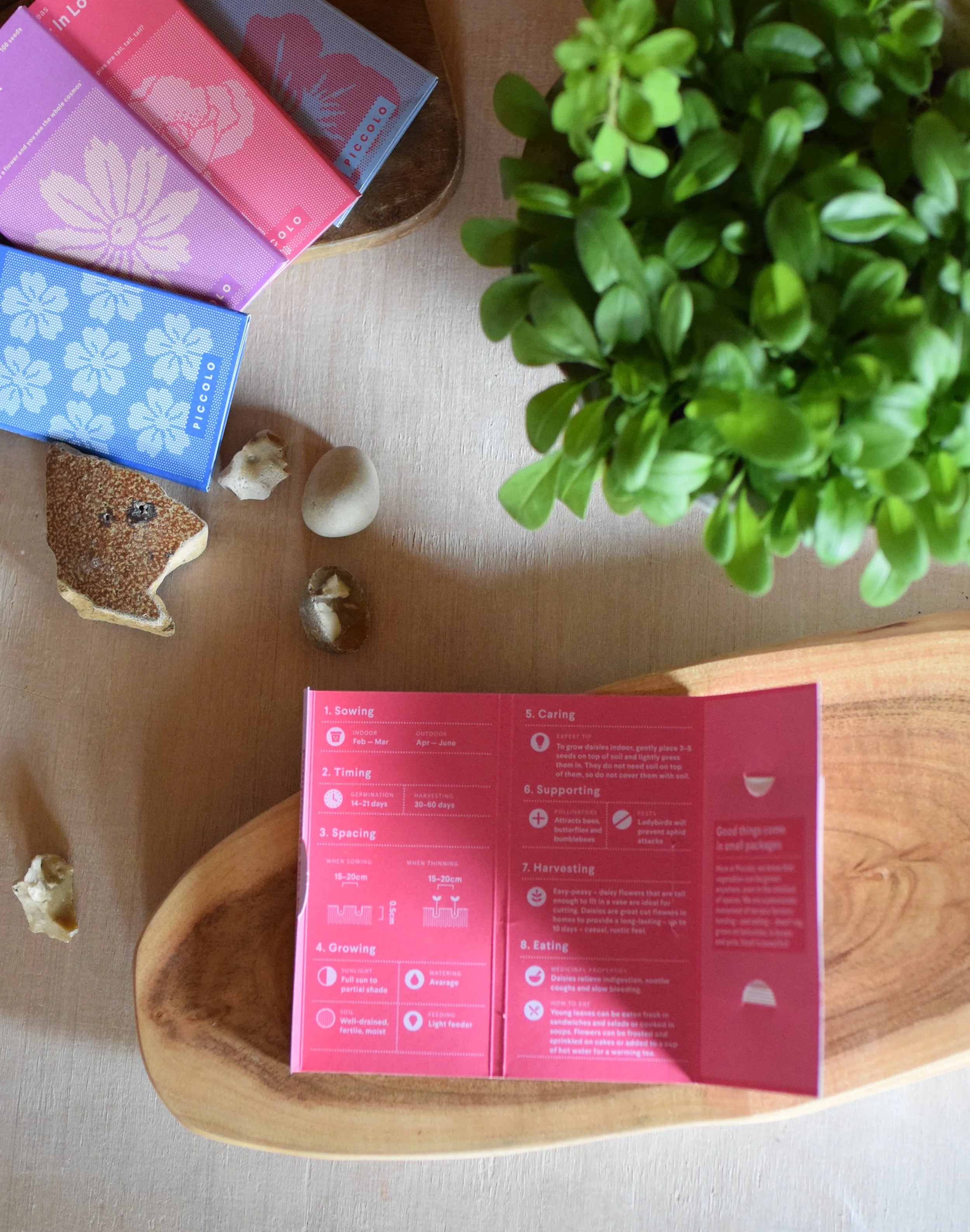 Image 2 of 15
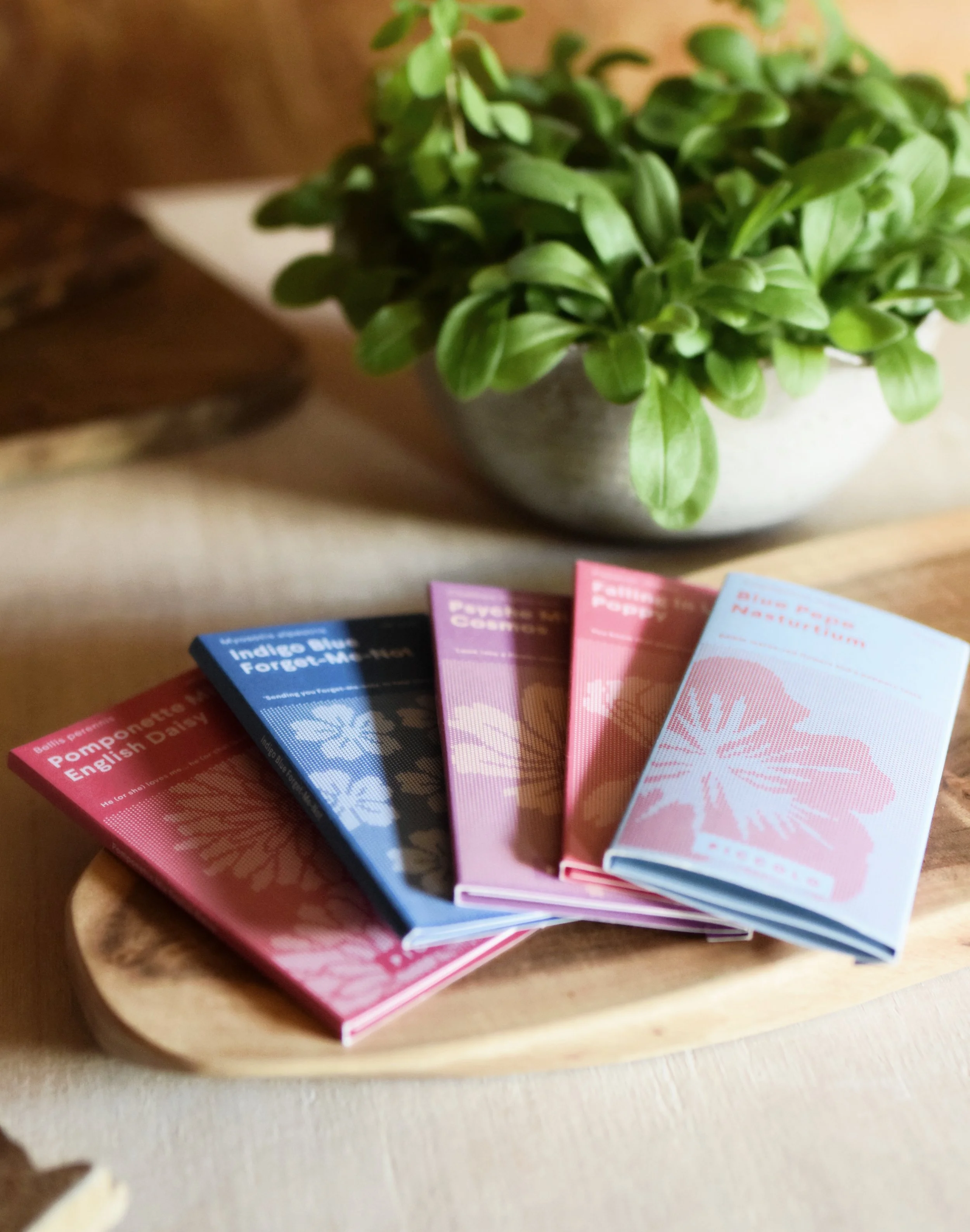 Image 3 of 15
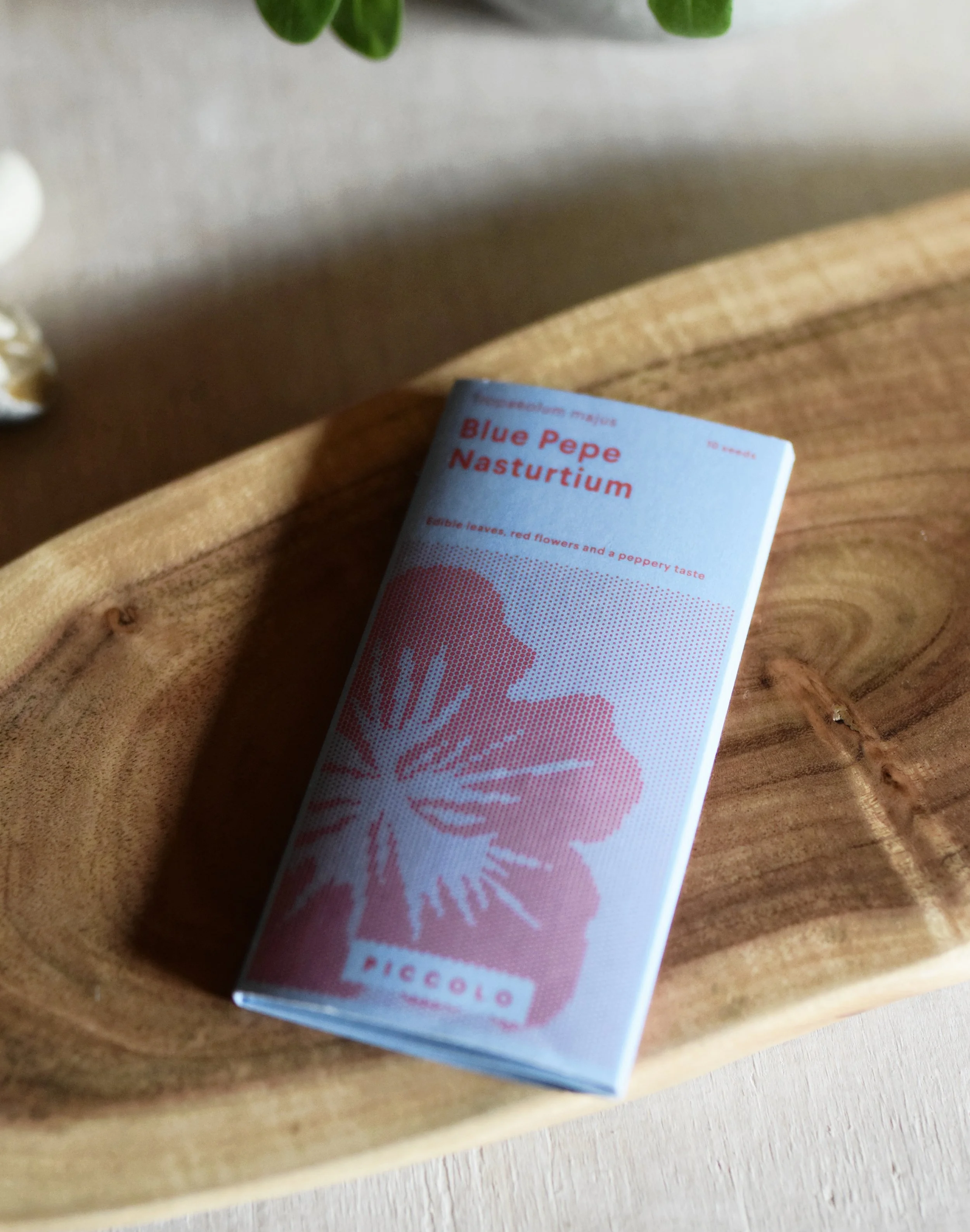 Image 4 of 15
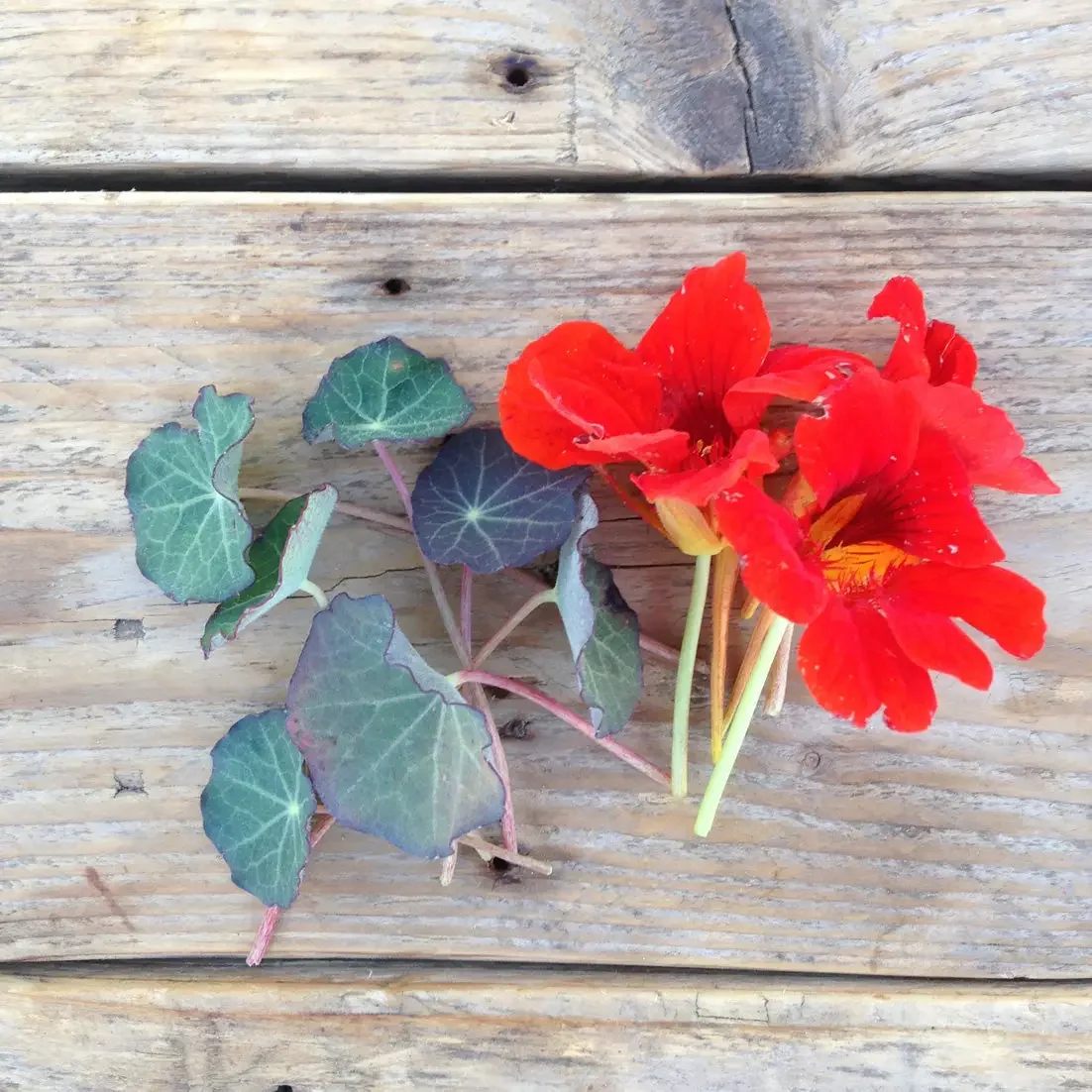 Image 5 of 15
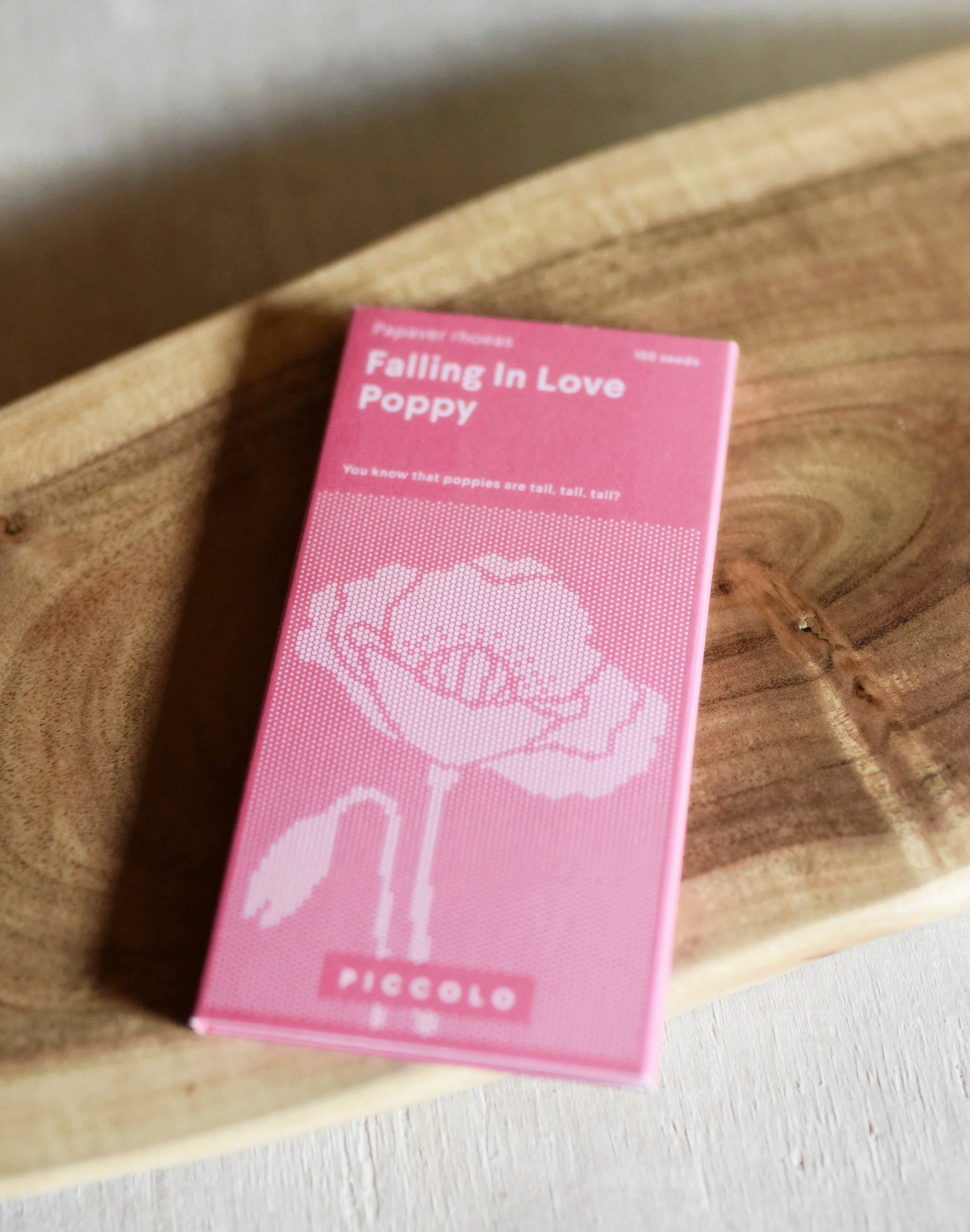 Image 6 of 15
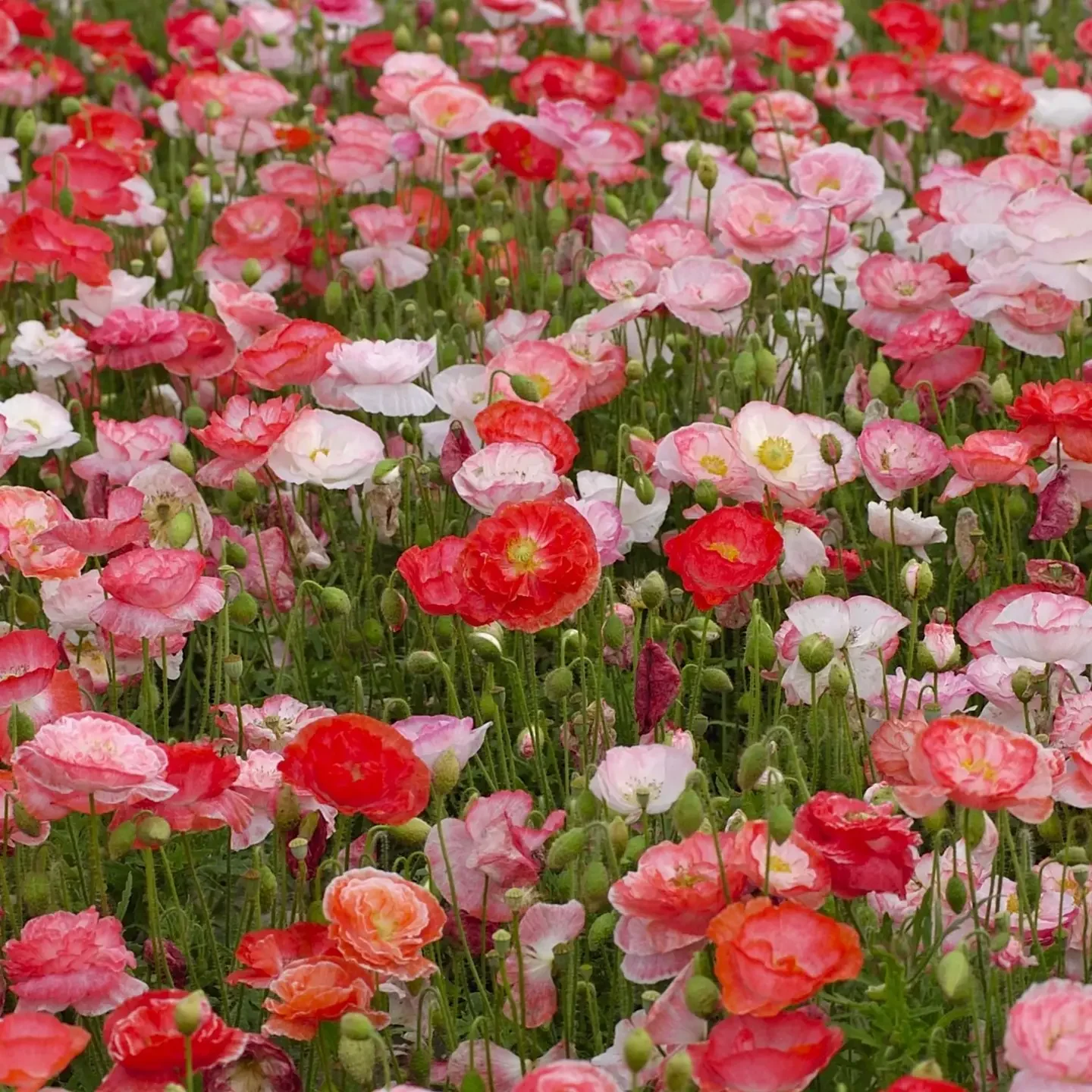 Image 7 of 15
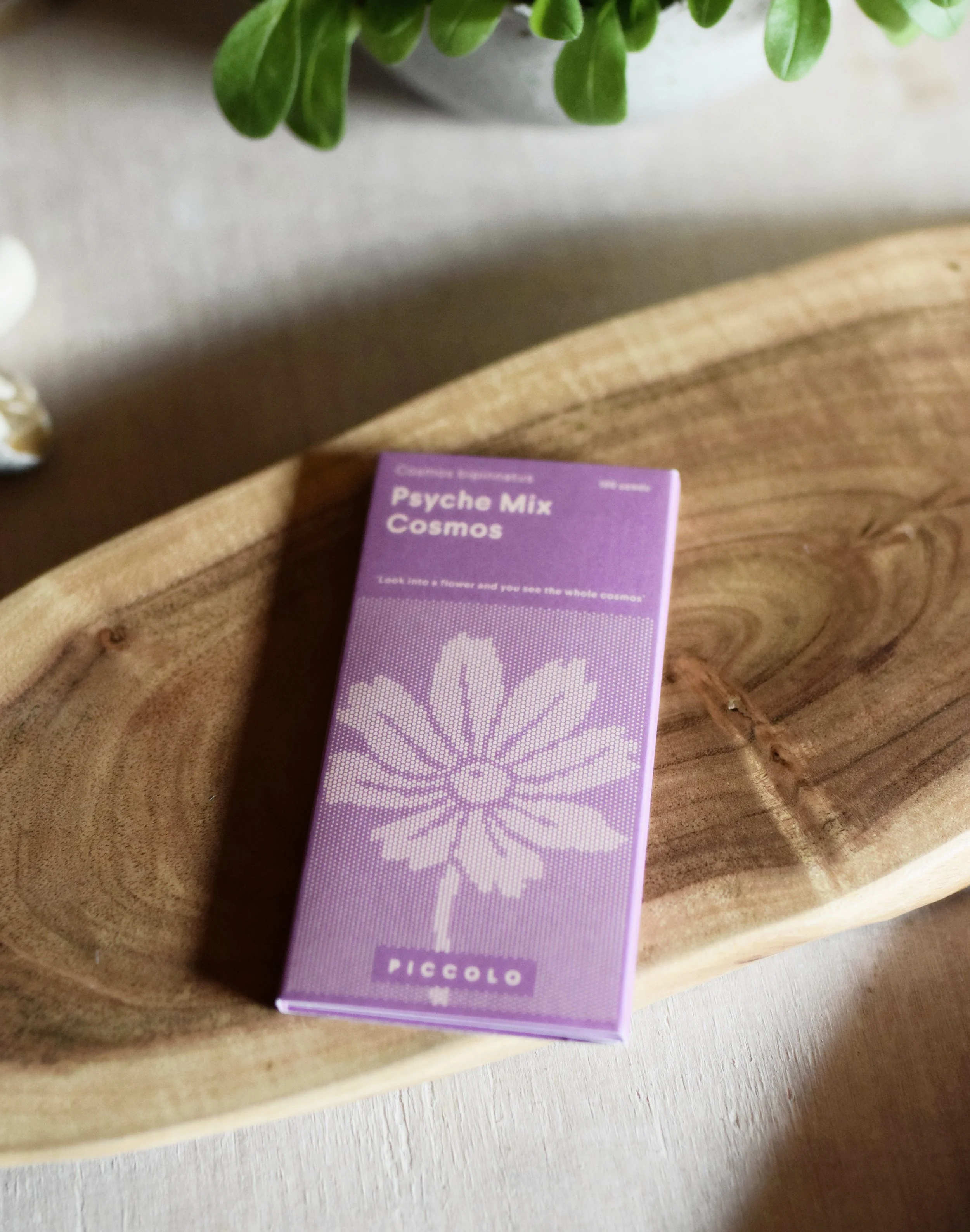 Image 8 of 15
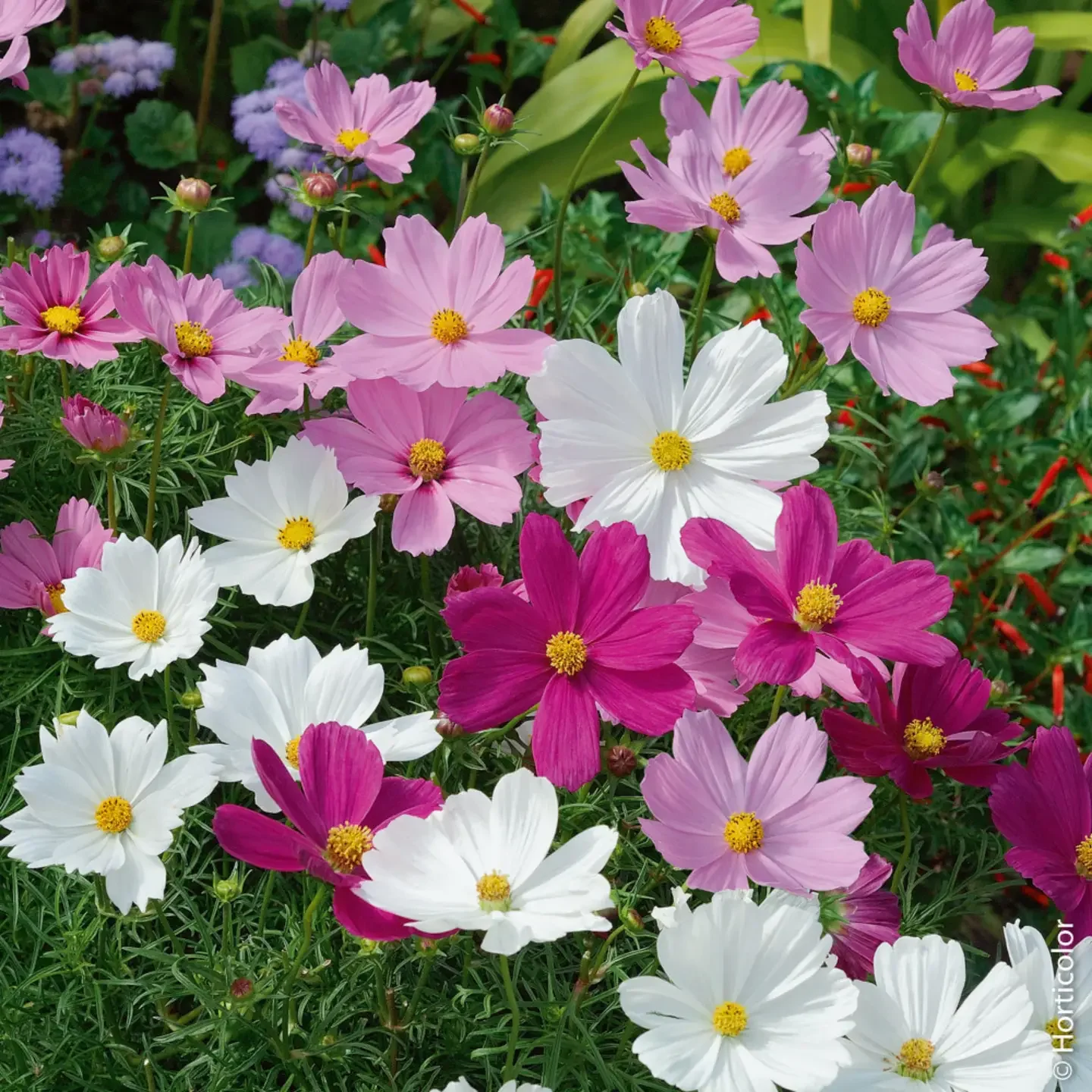 Image 9 of 15
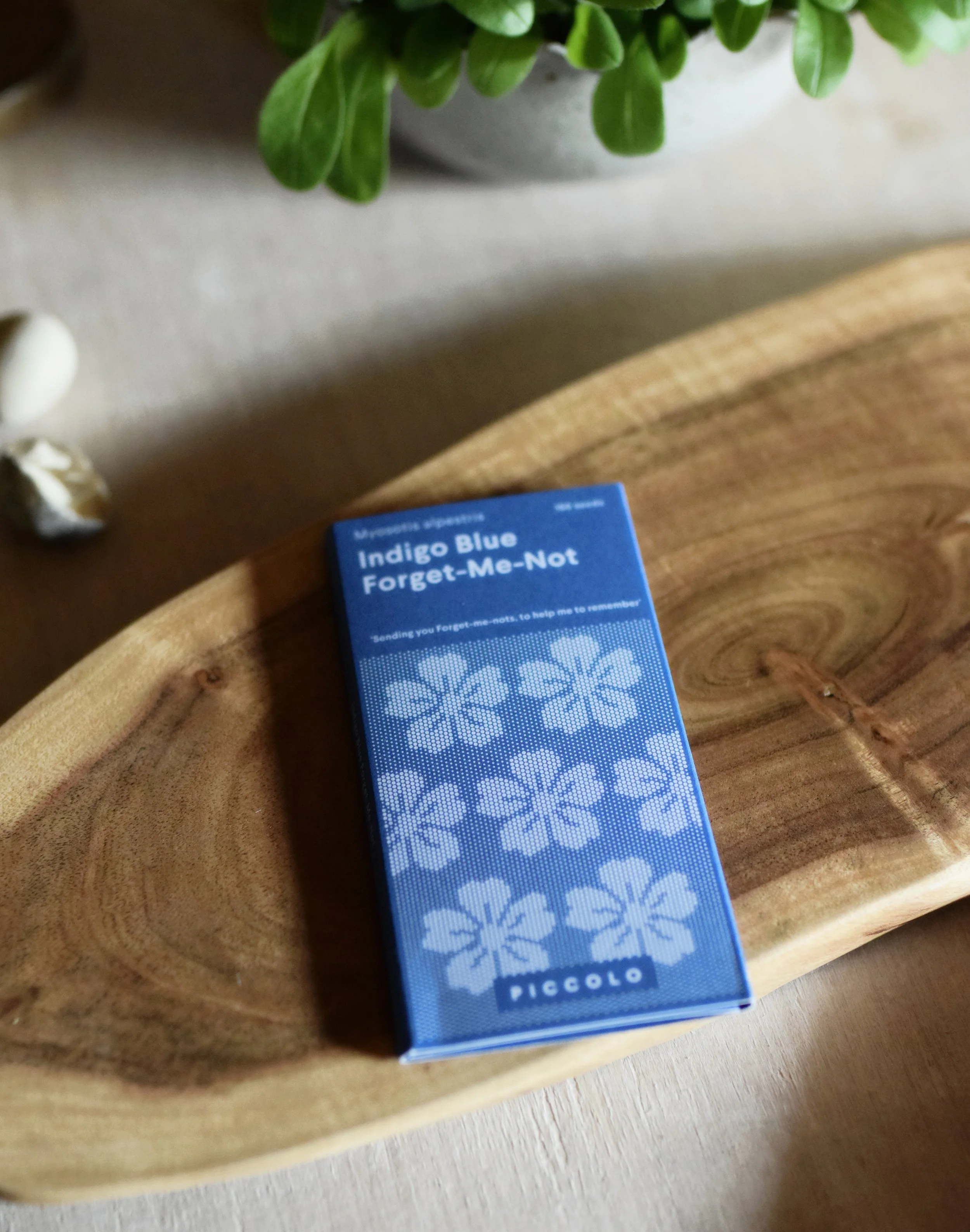 Image 10 of 15
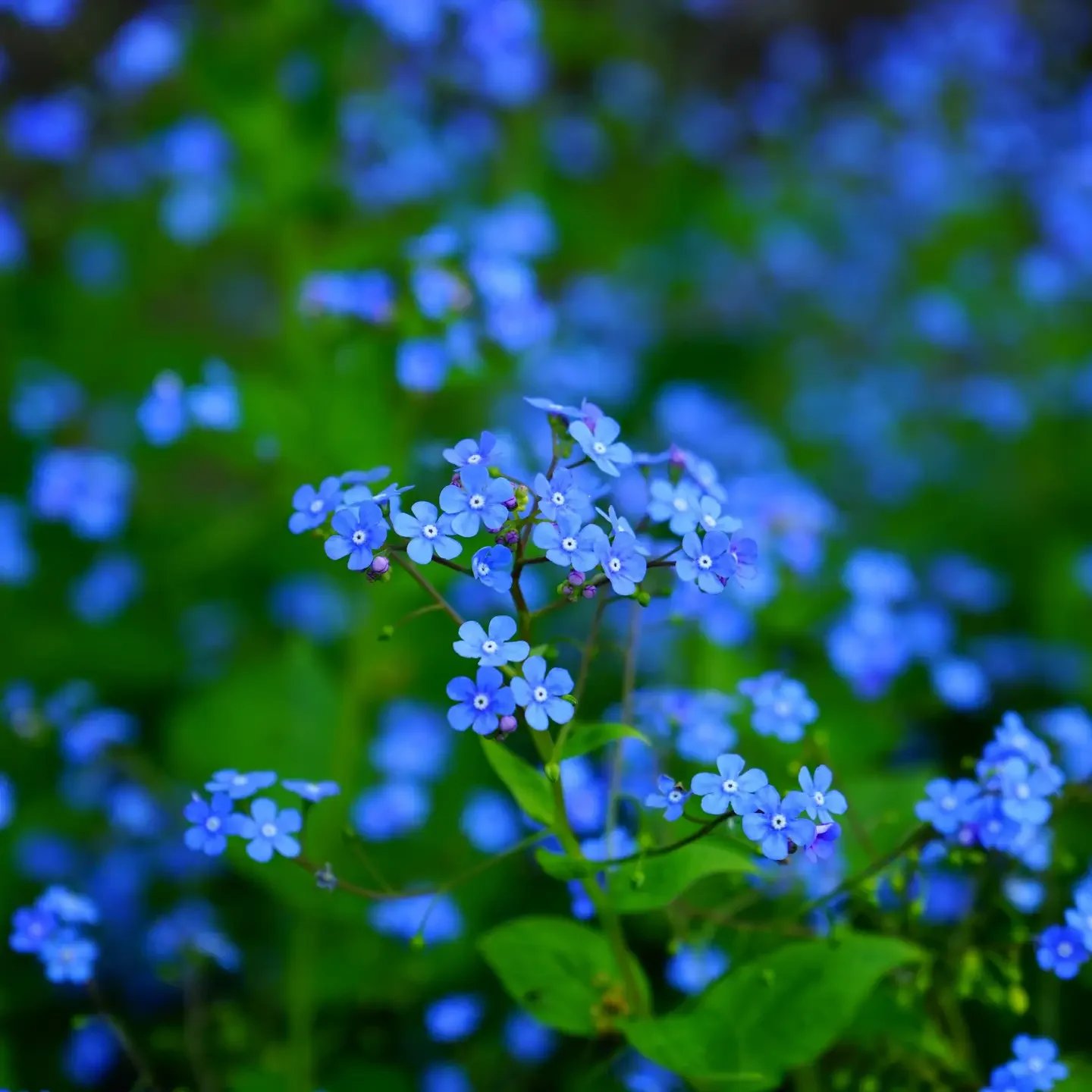 Image 11 of 15
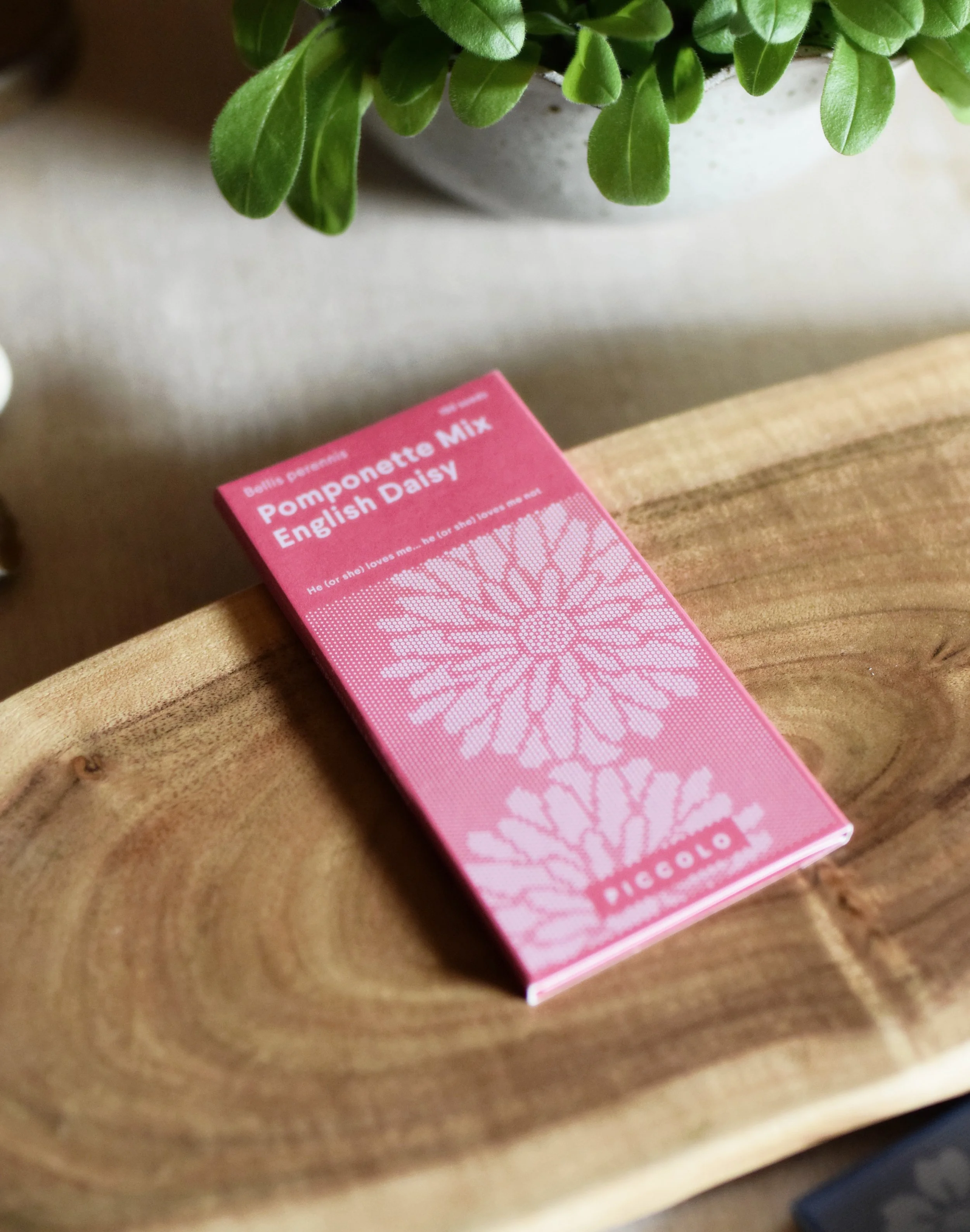 Image 12 of 15
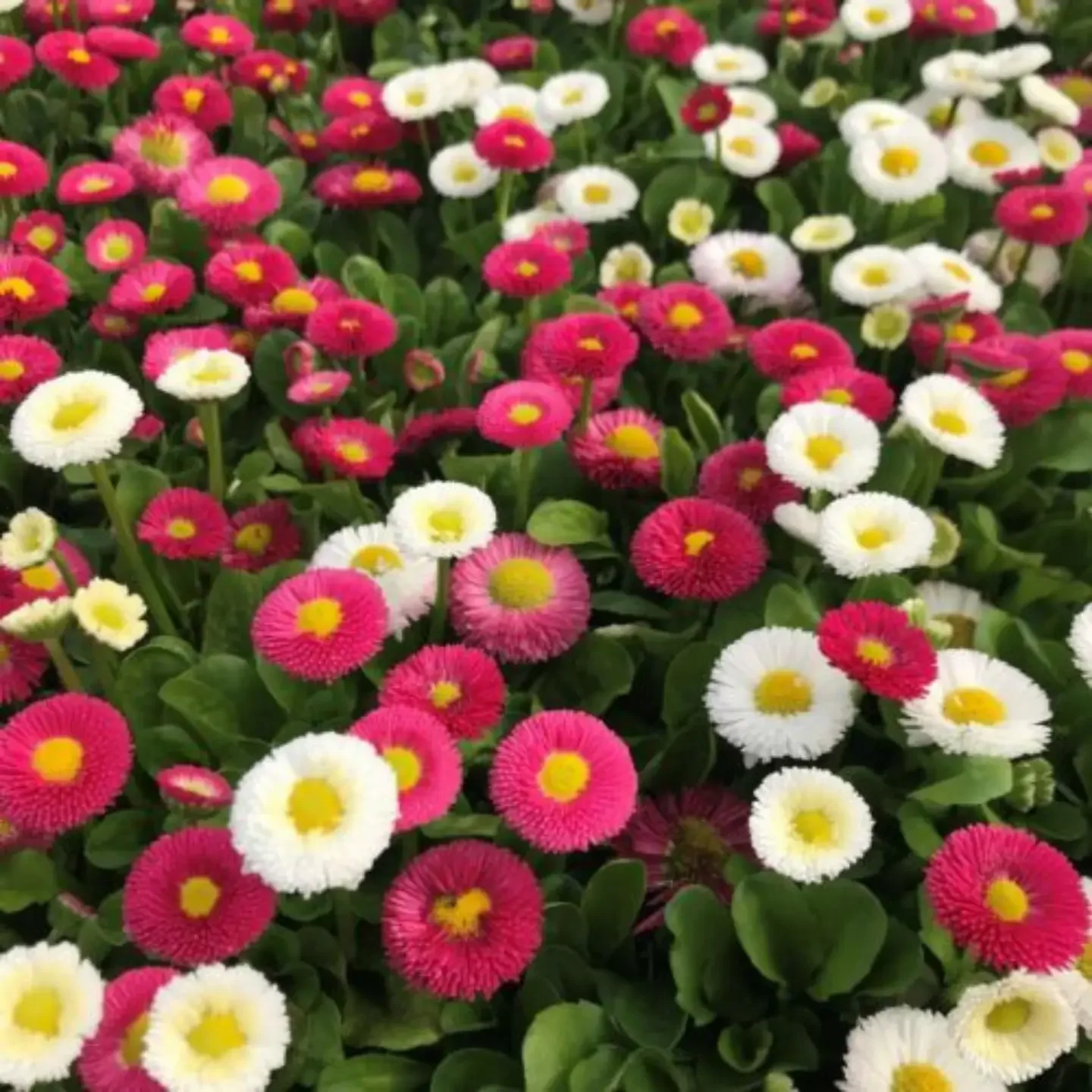 Image 13 of 15
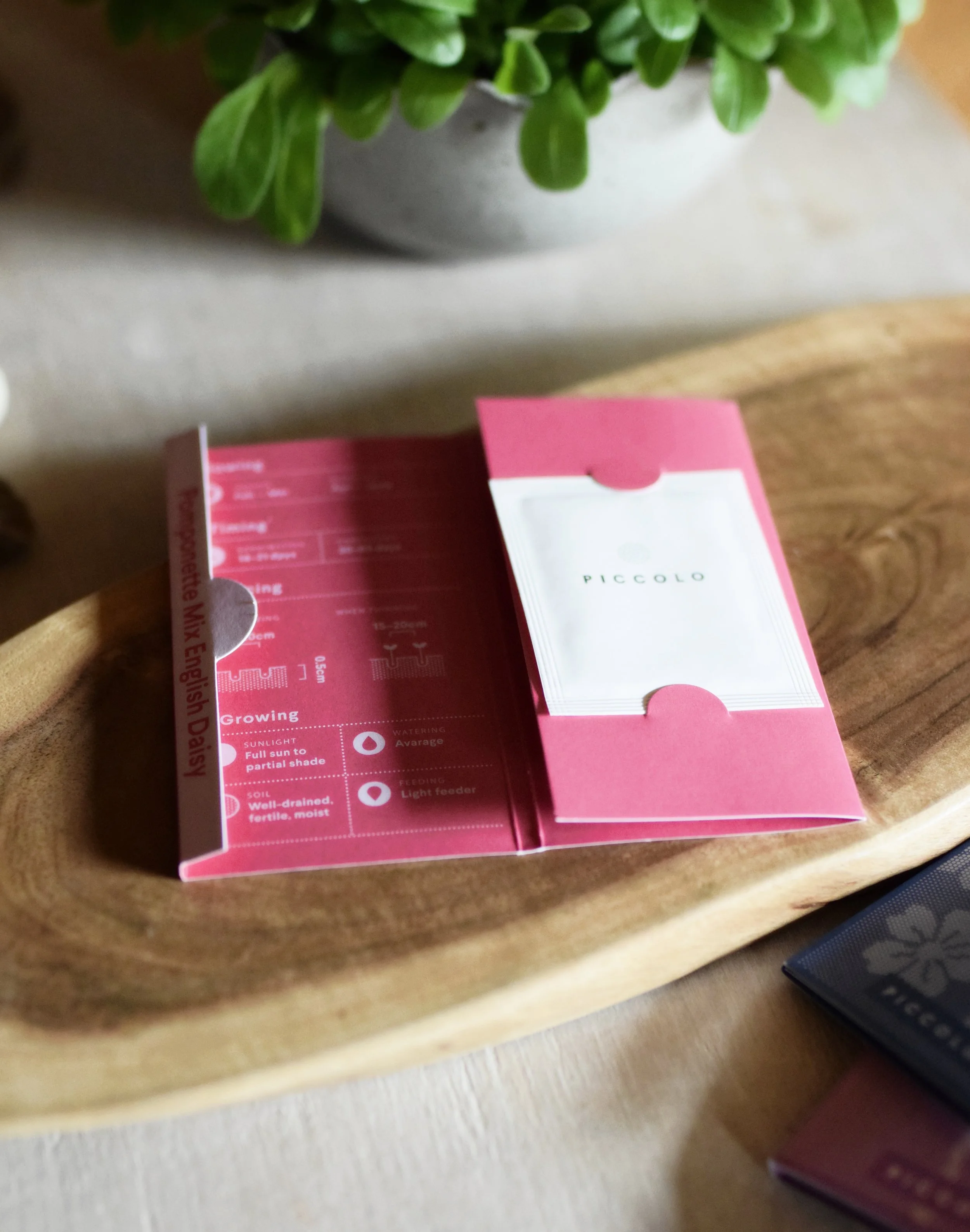 Image 14 of 15
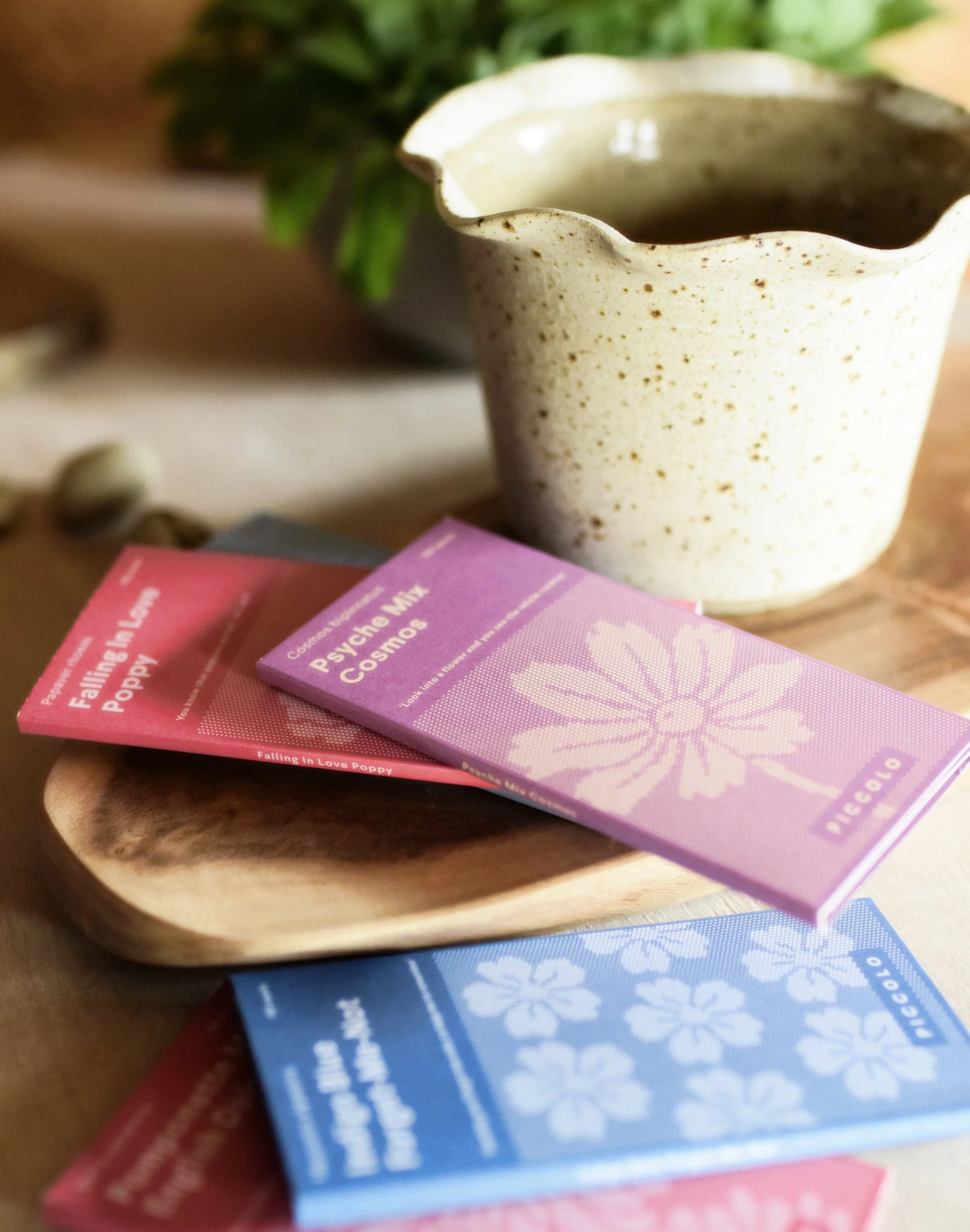 Image 15 of 15